Delivering Density: Inner or Outer London? MICA Champions the Case for Outer London at NLA Debate
MICA was delighted to contribute to the NLA’s Tall Buildings Programme at The London Centre last night, where the urgent question of “Where and how should London deliver the homes needed for a population of 10 million by 2043?” took centre stage.
Speaking on behalf of MICA, Director Gavin Miller made a compelling case for Outer London, focusing in particular on the overlooked potential of town centres, suburban intensification, and what’s now being called the ‘Grey Belt’ — land within the Green Belt that no longer serves its original planning function.
A Vision for the Grey Belt: More Than Brownfield
With the government targeting 1.5 million homes nationally over this Parliament — and 88,000 per year in London alone — the current delivery of 30,000 to 45,000 homes per year falls far short. MICA challenged the outdated notion of choosing between Inner or Outer London, arguing that "we need both," and that brownfield land alone won’t bridge the gap.
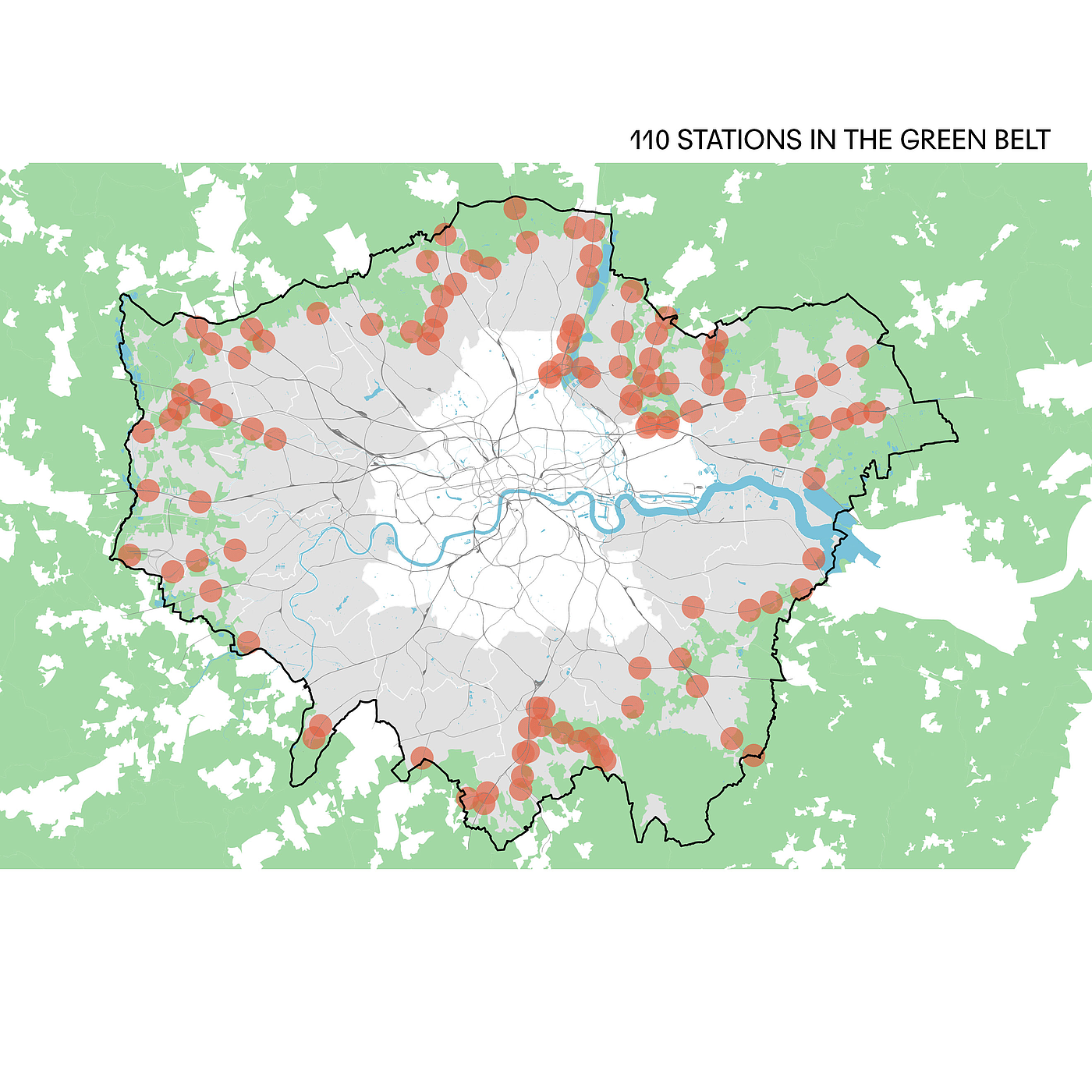
Instead, MICA highlighted the strategic opportunity in London's Grey Belt: previously developed or underutilised Green Belt land that is well-placed for transformation, particularly in proximity to the capital’s 110 railway stations in or near Green Belt zones.
With up to 4,000 hectares of developable land within a 10-minute walk of these stations — potentially accommodating over 100,000 homes — Miller urged planners and policymakers to rethink what’s possible when development is landscape-led, locally connected, and ecologically intelligent.
Learning from Gilston Park: A Model for Responsible Growth
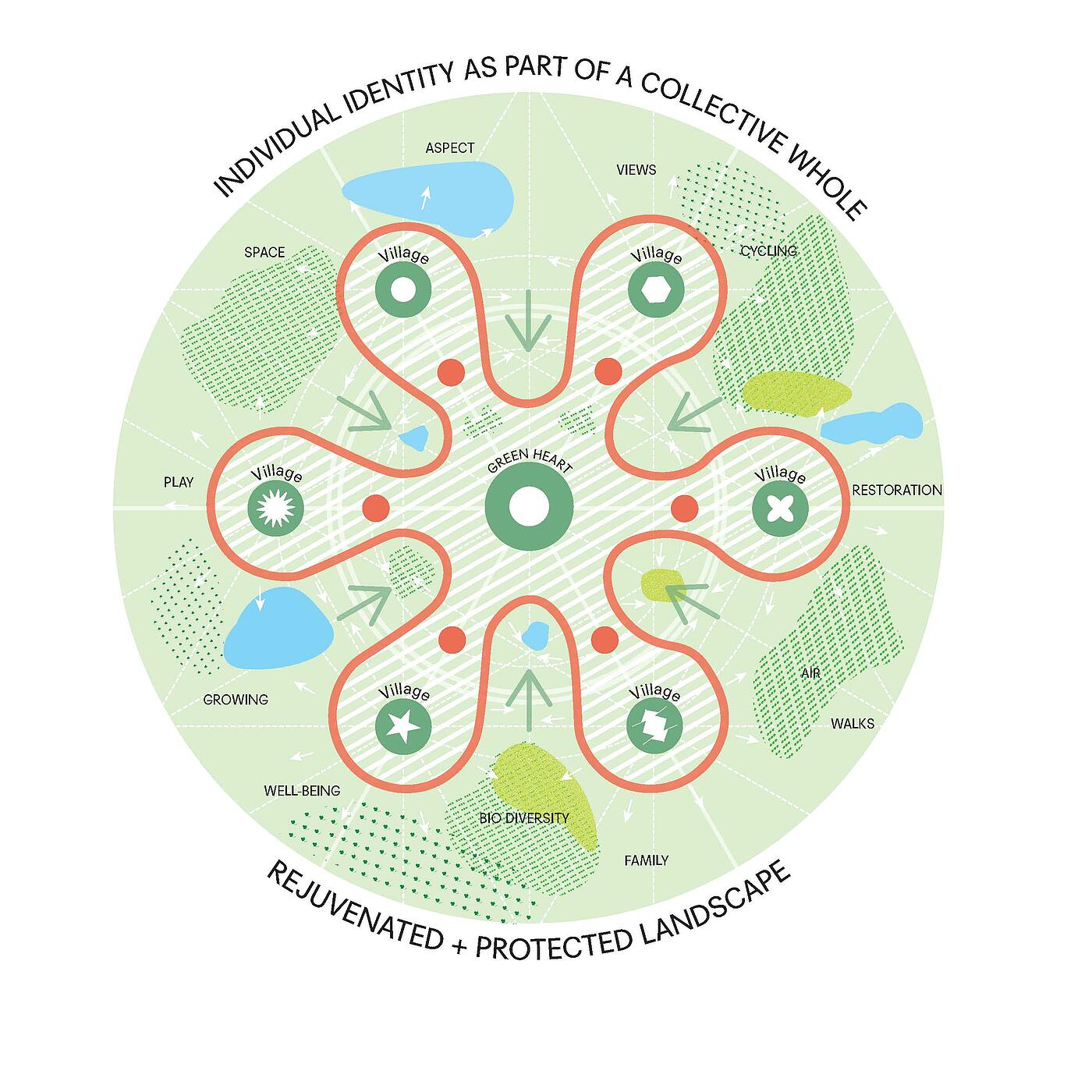
To show how this could work in practice, Miller shared insights from MICA’s two-decade-long work at Gilston Park in East Hertfordshire — a Green Belt site where MICA, alongside Grimshaw, designed 10,000 new homes across six walkable, distinct villages.
This masterplan, which finally received planning consent in 2023, was rooted in landscape, well-being, and access — with over 55% of the land preserved as open space and every home within 400 metres of green parkland. Importantly, only 9% of the total land was designated for buildings, showing how density can be delivered without sacrificing quality of place or public realm.
Inspired by the English traditions of Hampstead Heath, common land in Beverley, and design principles from Raymond Unwin and Camillo Sitte, the Gilston plan avoids suburban clichés and champions varied frontages, rhythms, and adaptable housing typologies — fit for long-term community needs and climate resilience.
New Towns, New Thinking
The conversation also turned to larger-scale urban extensions — including MICA’s support for proposals at Wennington in Havering, where up to 15,000 new homes could be supported by a new station on the c2c line. Such new towns, Miller argued, should not just be "add-ons" to existing housing targets but central tools in achieving them.
To make these projects work, cross-borough collaboration, targeted investment in transport, education, and health infrastructure, and planning system reform are essential. With labour shortages, viability concerns, and misconceptions about the Green Belt still posing challenges, Miller called for national leadership and the recognition of housing as essential infrastructure.
“We don’t need to pave over the Green Belt,” Miller concluded. “But we do need to look at it with fresh eyes, use it intelligently, and build places that people are proud to call home.”
It was a pleasure to debate alongside speakers from across the planning and housing sectors as they present and discuss both perspectives.
To read more about the event follow link to New London Architecture
To read more about MICA's work in the Grey Belt click here