
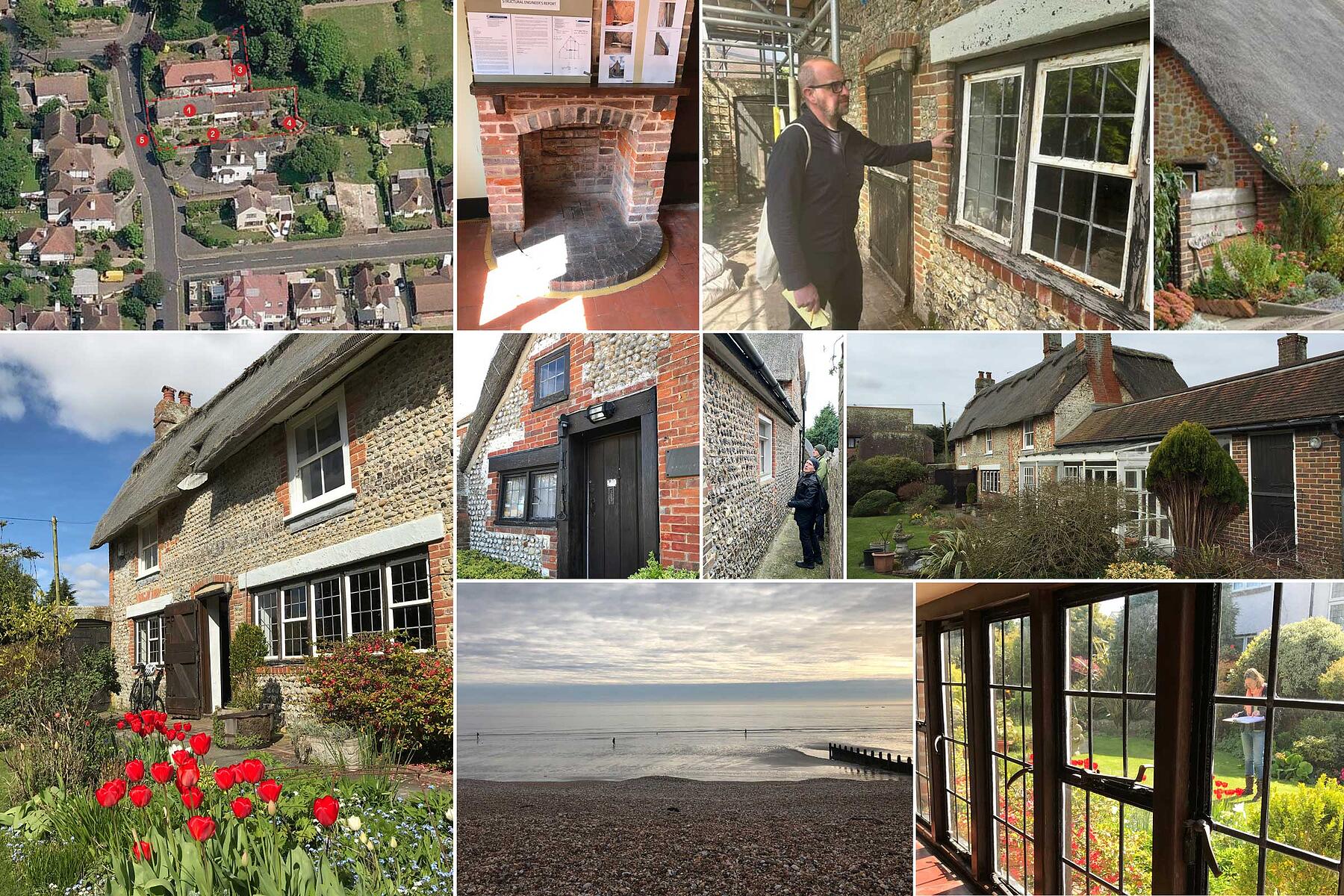
Blake Cottage Conservation
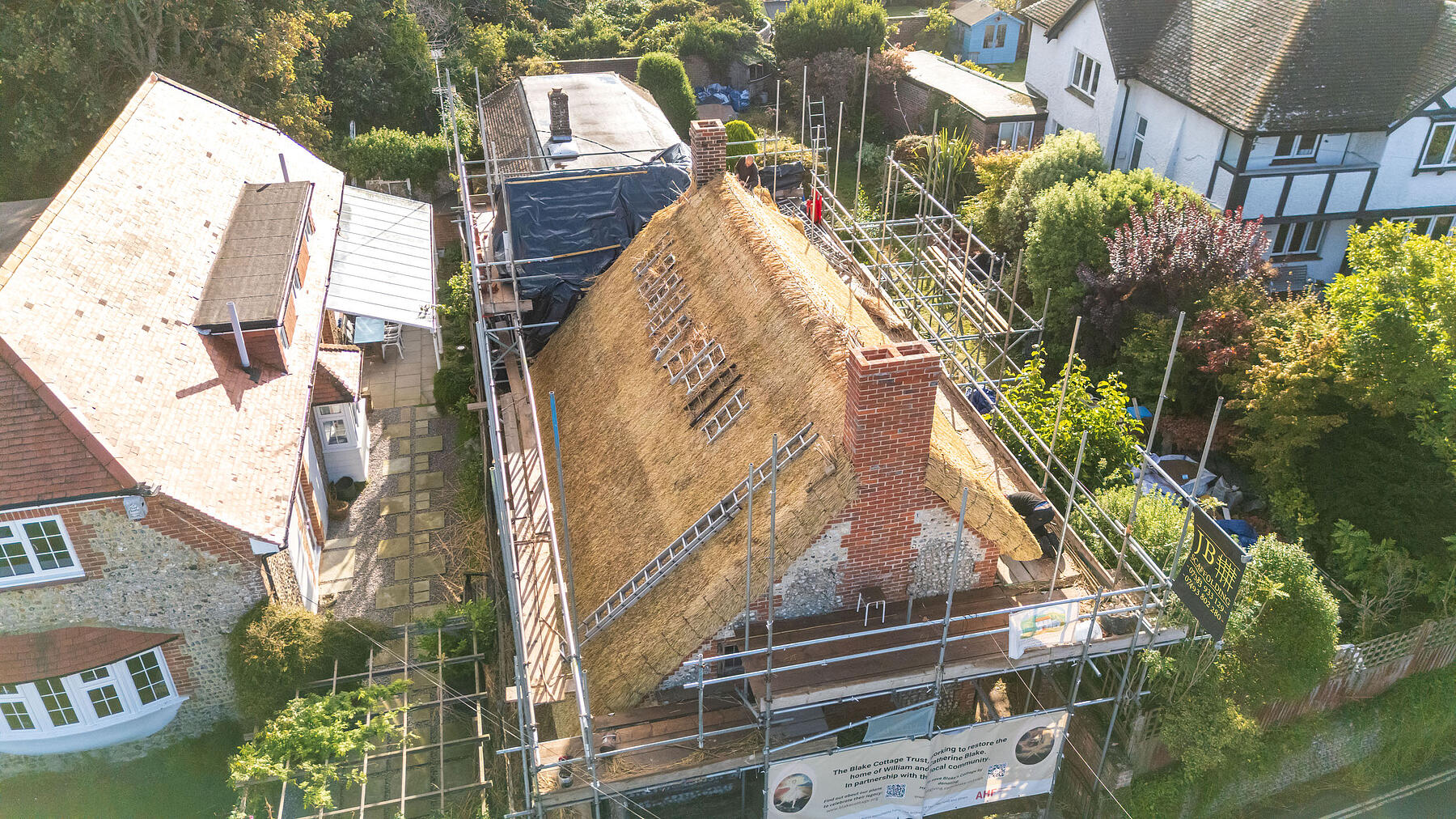
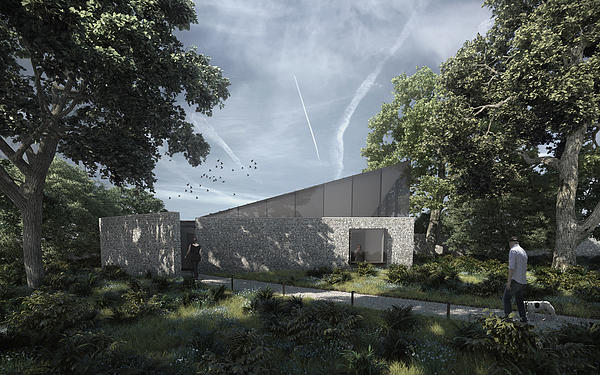
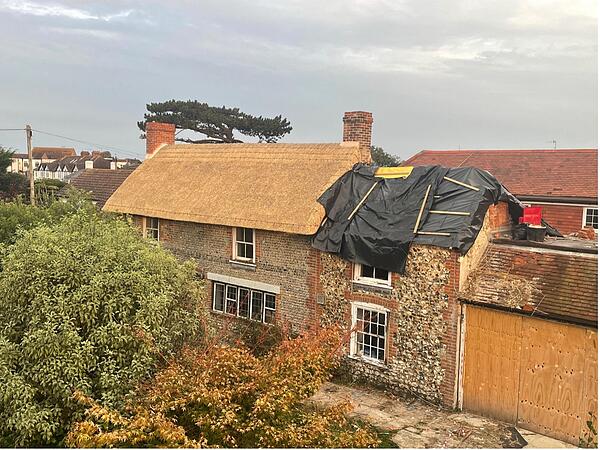
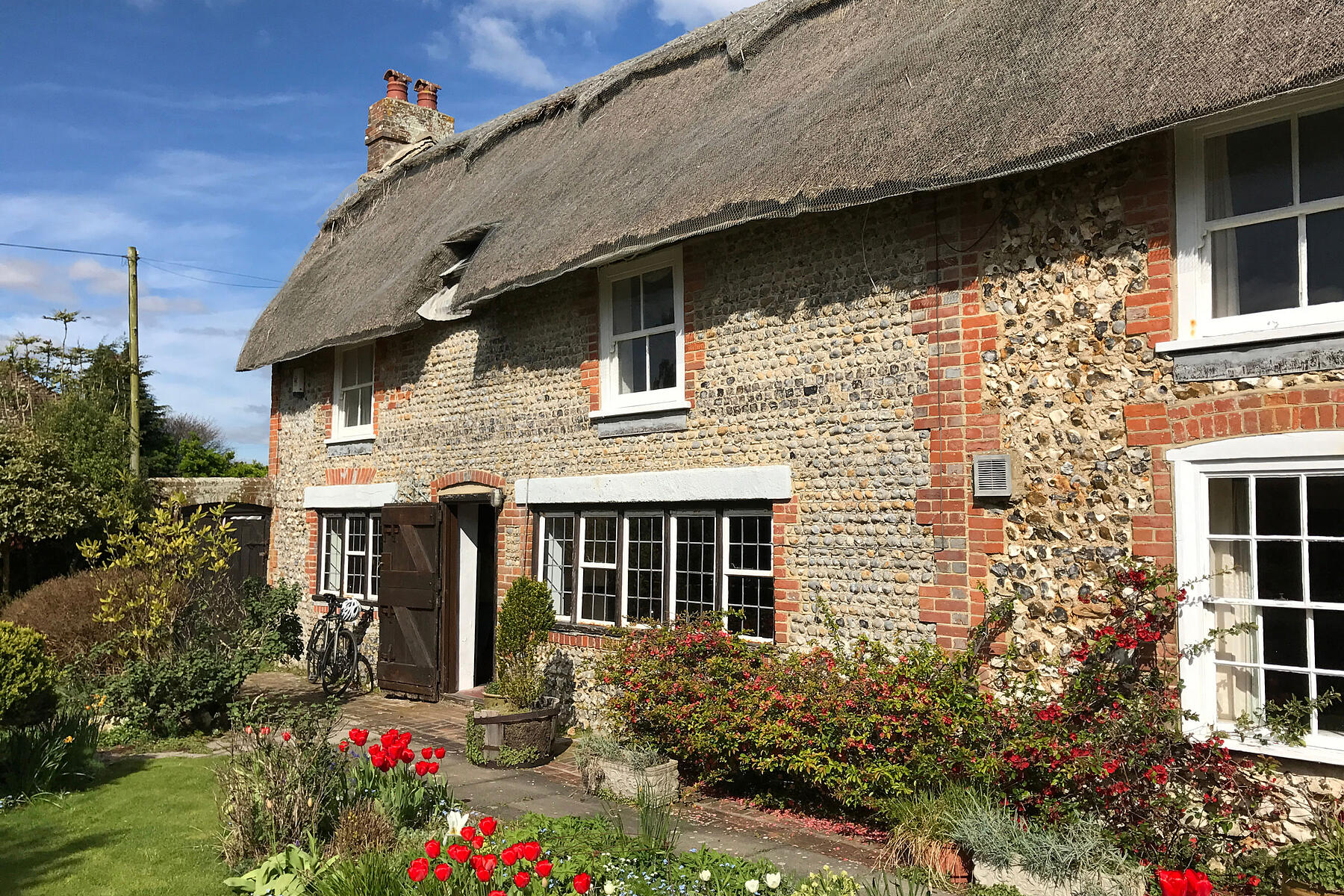
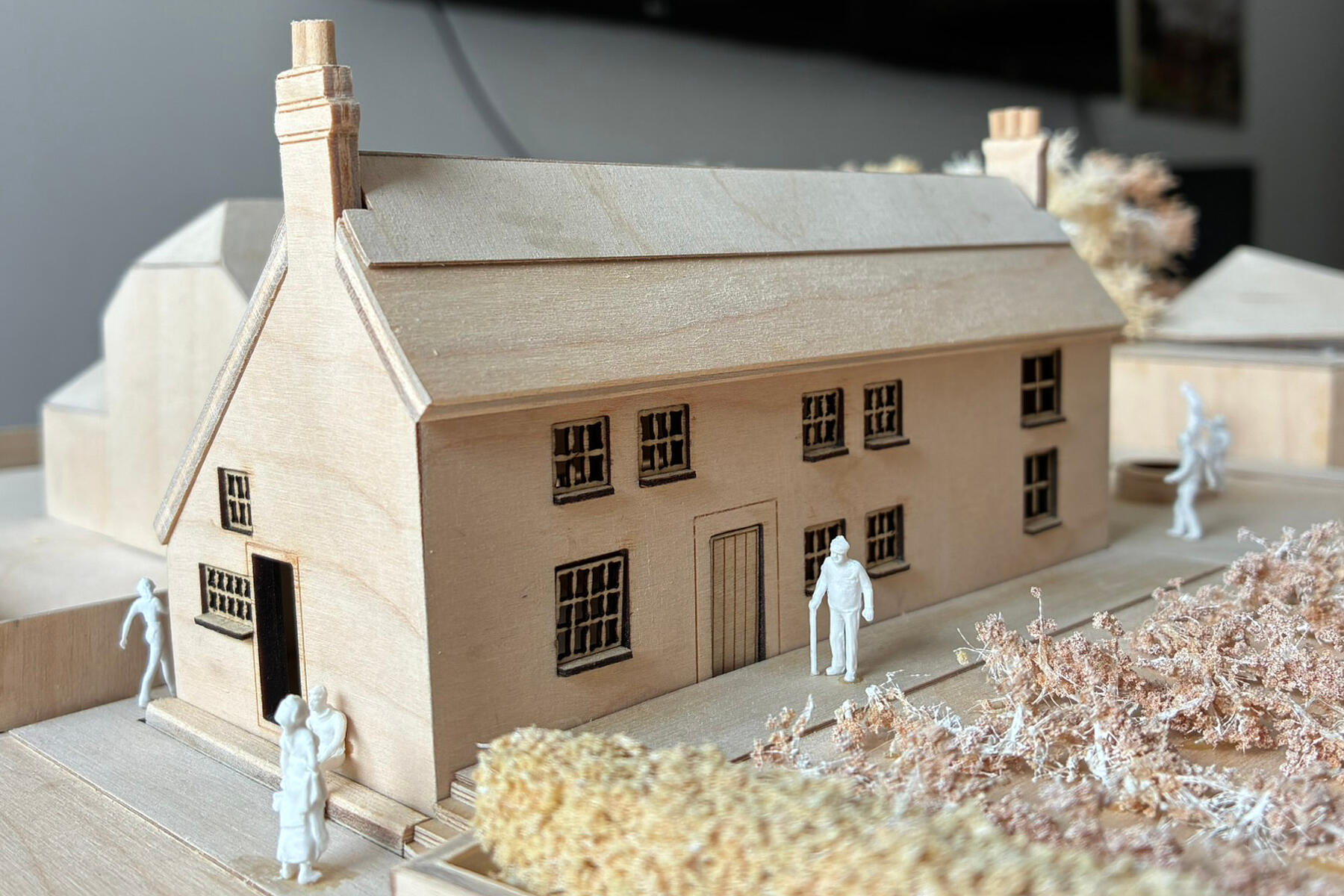
MICA led the first phase of the sensitive conservation of William Blake’s Cottage in Felpham, West Sussex, safeguarding one of the most important surviving domestic sites associated with the poet and artist. Appointed by the Blake Cottage Trust in 2017, MICA acted as architect and specialist conservation architect, authoring the Conservation Statement and undertaking original historic research to inform the works. A significant milestone in the project has been the conservation and renewal of the historic thatched roof, completed in December 2025, securing the long-term weathering and protection of the building.Blake and his wife Catherine lived and worked here between 1800 and 1803, during one of the most prolific and challenging periods of his life. Located close to the park, the cottage is a modest but evocative historic structure set within a small garden, offering a rare opportunity to experience Blake’s legacy in its original setting. The building comprises a 17th-century core with layers of alteration and extension dating from the 18th, 19th and 20th centuries, reflecting its long and complex history. Within the garden sit two small 20th-century outbuildings, while a narrow strip of land to the north leads to a later garage site, the constrained context of which presents logistical and planning challenges.
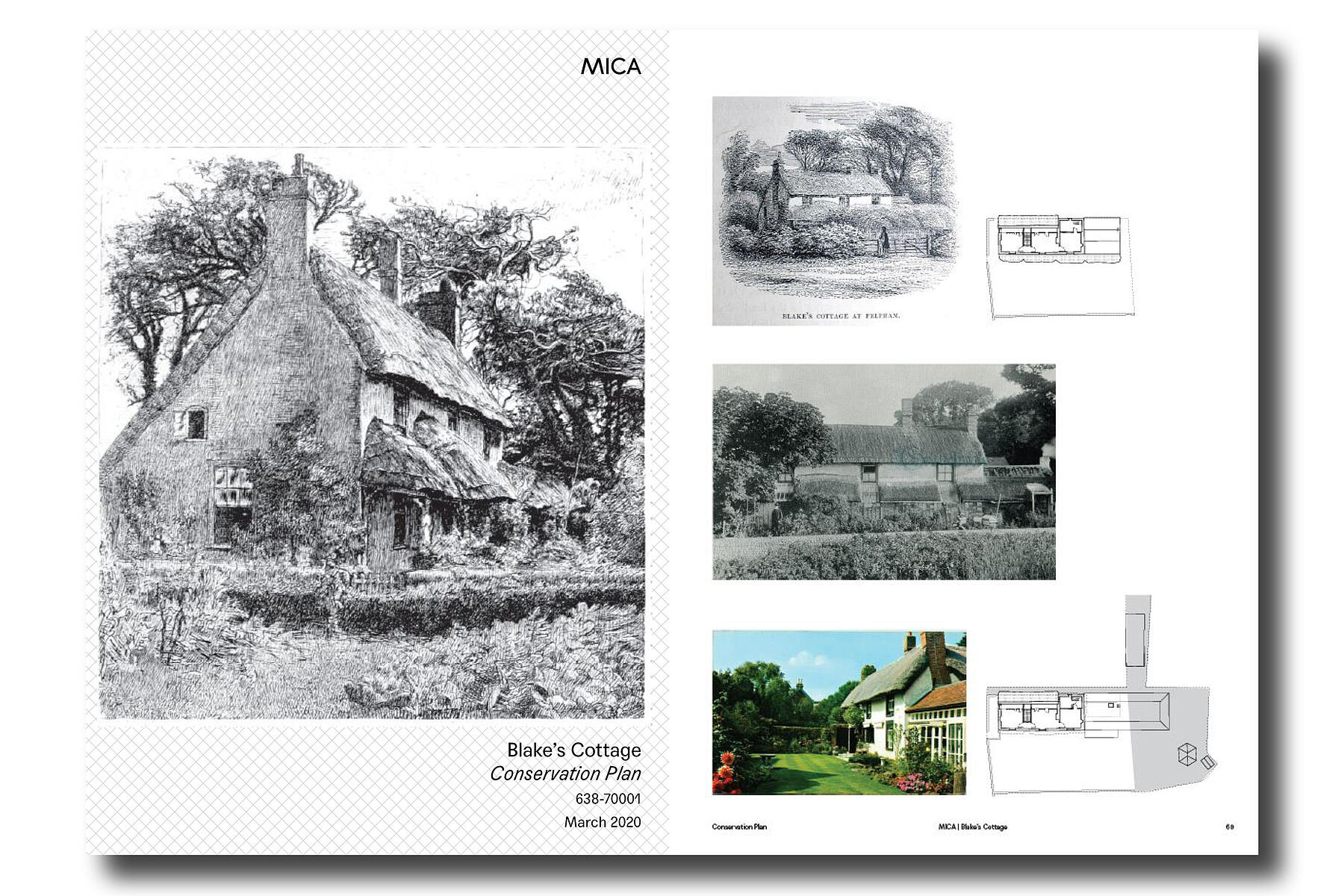

Our approach was grounded in a deep respect for the site’s historic and cultural significance, with a strategy that prioritised the retention of historic fabric, original layouts and earlier phases of the building wherever possible. Where intervention was required, this focused on reusing existing openings and areas of prior alteration, minimising impact on the most sensitive elements of the cottage.
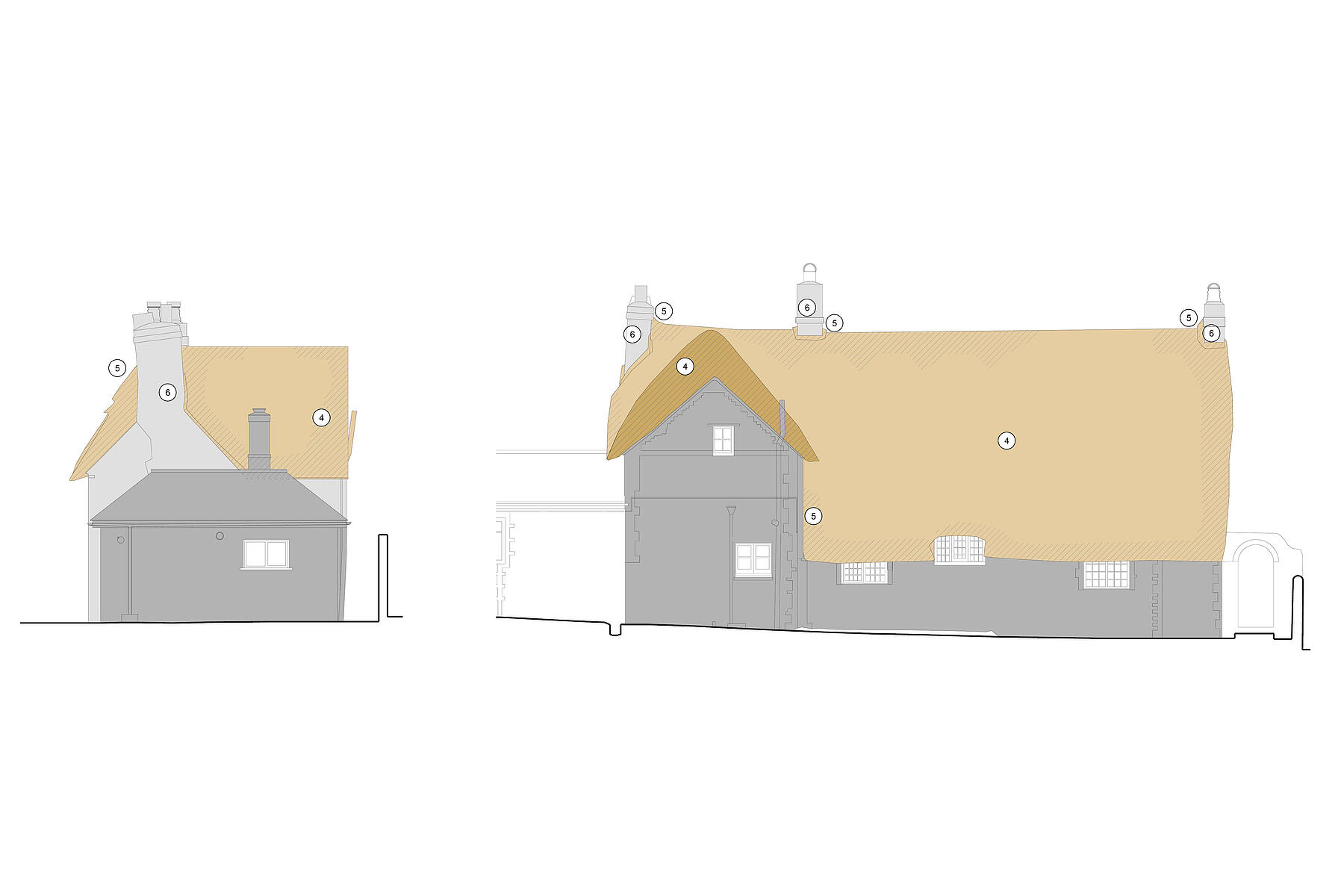
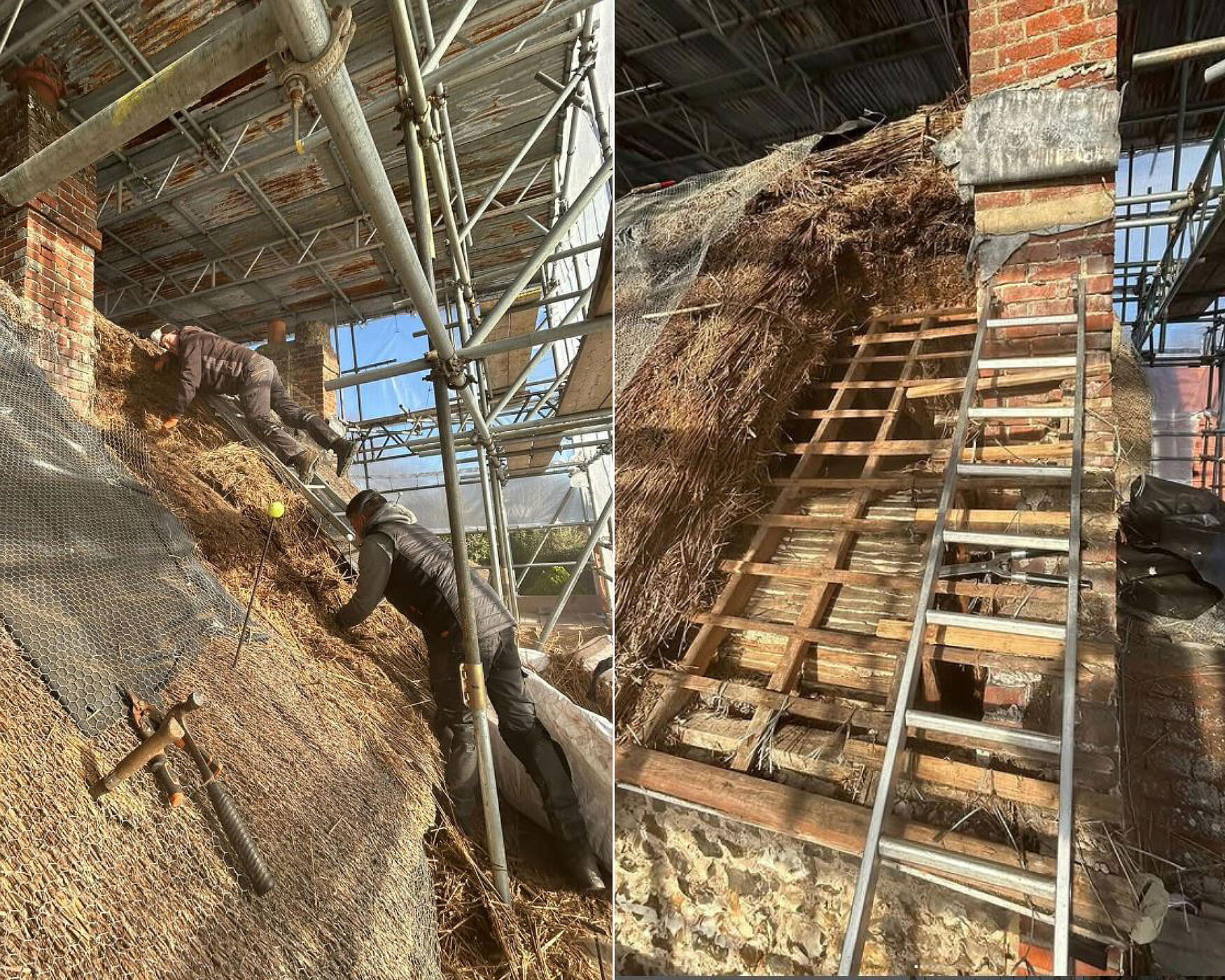
The cottage had been in need of substantial repair and maintenance, with key challenges including structural movement to the south wall, deterioration of roof timbers and water ingress leading to damage to internal finishes. A significant milestone in the project was the conservation and renewal of the historic thatched roof, completed in December 2025, which secured the long-term weatherproofing and protection of the building. These works addressed the primary causes of decay and supported the Trust’s ambition to remove the cottage from the Historic England Buildings at Risk Register.




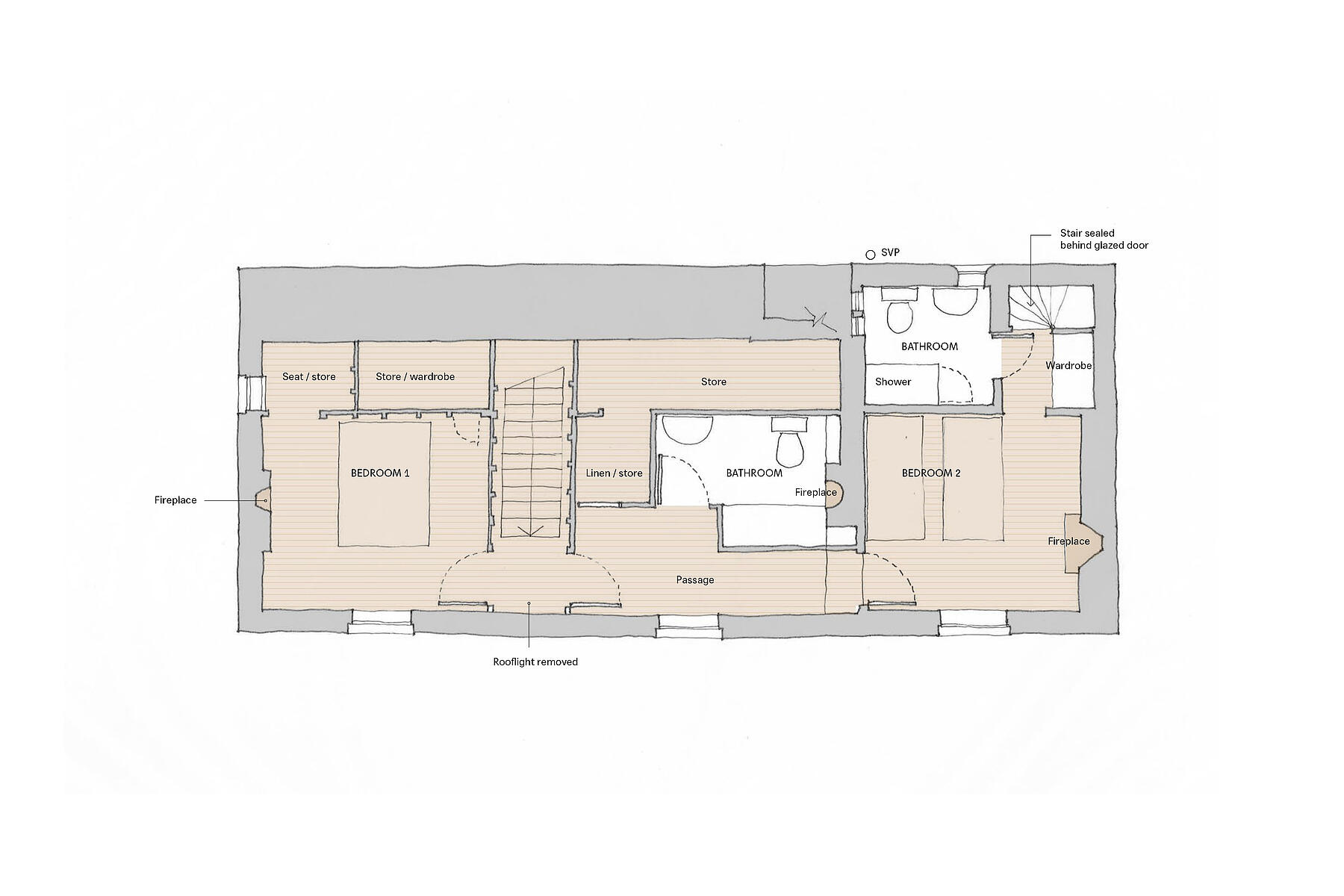
A further challenge was reconciling the Trust’s guiding principle, to restore the cottage as faithfully as possible to its appearance in Blake’s day, with later structural additions, most notably the two-storey Victorian extension and staircase. MICA’s research-led approach helped inform a careful balance between retention, repair and interpretation, while also taking into account practical requirements such as visitor access, including inclusive access to the ground floor, and the treatment of historic wall and ceiling finishes.
Through close collaboration with Historic England, Arun District Council’s conservation officer and the Trust, the conservation works not only safeguarded this rare survival of a small Sussex village cottage, but also enhanced understanding of its layered history. With careful planning and restraint, the project ensured that Blake’s Cottage could continue to inspire future generations while honouring the enduring legacy of one of Britain’s most influential artists and poets.